
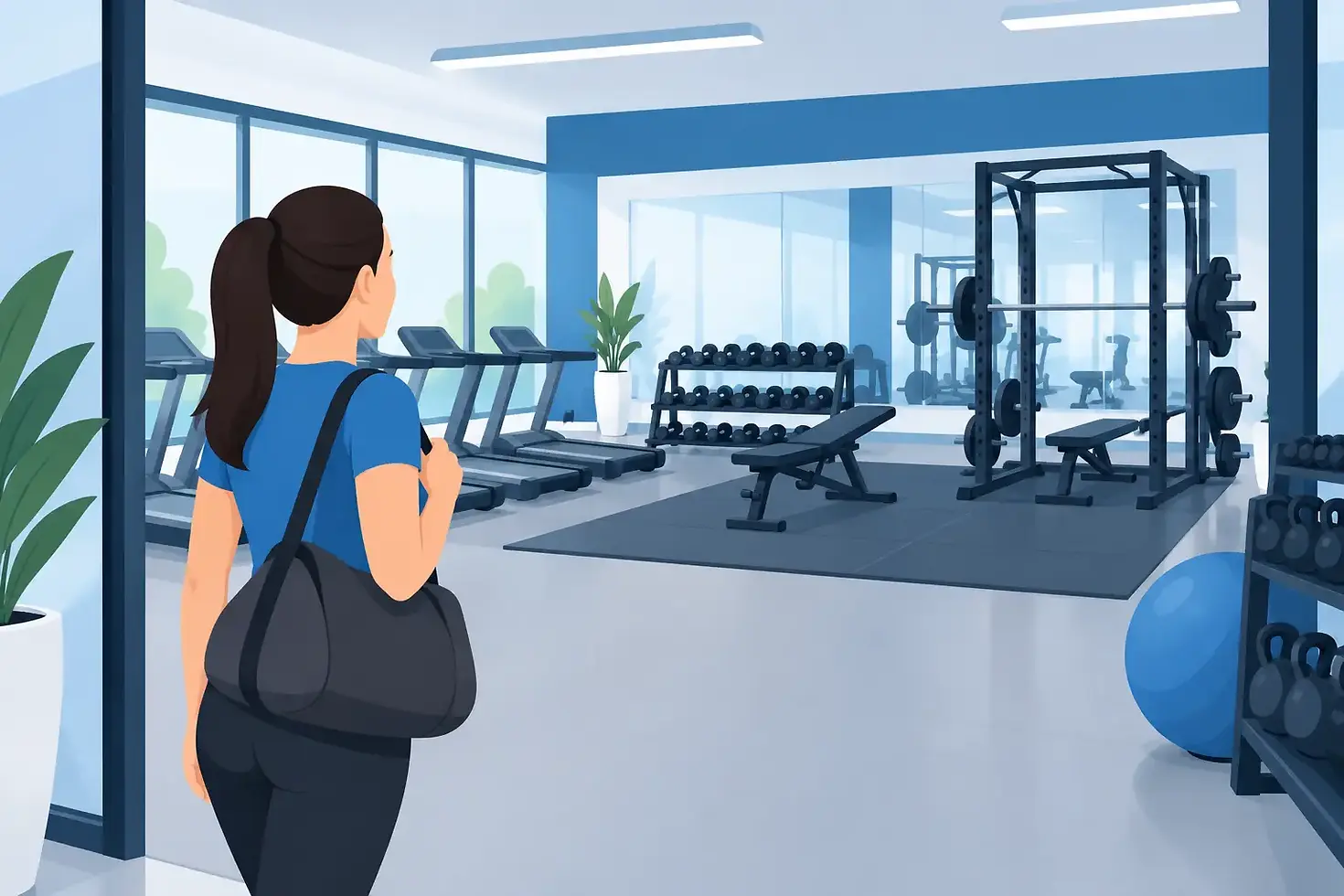
A Gym Tour for Beginners Without the Guesswork
The first thing you notice on a gym tour is rarely the thing that determines whether you will keep showing up three months later. New members often focus on how many machines are on the floor. What matters just as much is whether the space feels clean, usable, welcoming, and practical for the way you actually live. A gym tour for beginners should help you answer one simple question: can I see myself training here consistently?
That answer is personal. A serious lifter may need platforms, racks, and specialty bars. Someone building a first routine may care more about clear equipment layouts, helpful staff, and a comfortable place to learn. Neither priority is more valid. The right gym gives you enough reason to return when motivation is low and life gets busy.
Start Your Gym Tour for Beginners With Your Real Schedule
Before asking about equipment, ask when you can realistically train. A beautiful facility is not a great fit if its hours force you to skip workouts. If you work early, have a changing schedule, or prefer a quieter late-night session, round-the-clock access can make consistency much easier.
During the tour, ask how entry works outside staffed hours and what the safety expectations are. A key card system, clear access procedures, good lighting, and visible cameras can make a major difference when you train before sunrise or after a long day. You should feel comfortable using the gym at the times you are most likely to be there, not just during a polished midday tour.
It also helps to ask about busy periods. Every gym has peak times, and a crowded floor is not automatically a dealbreaker. But you need an honest picture of whether you can get to the equipment you need without spending half your workout waiting. If you can, visit near the time you expect to train. That gives you a more useful view than touring at the quietest hour of the day.
Look Beyond the Number of Machines
More equipment does not always mean better training. A floor packed with machines can feel impressive, but it may leave little room to move, warm up, or use equipment safely. On the other hand, a thoughtfully selected gym can support a wide range of goals without feeling confusing or cramped.
Pay attention to whether the equipment matches your interests and gives you room to grow. Beginners do not need to use every piece on day one. Still, it is reassuring to know you have options as your confidence builds. Look for a mix of cardio equipment, cable stations, selectorized machines, dumbbells, benches, and open training space.
If strength training is part of your goal, inspect the basics. Are there racks, barbells, plates, benches, and enough space for people to train without crowding each other? Are the dumbbells organized? Do the benches feel stable? Is the equipment maintained rather than simply present?
For many people, turf is a useful bonus because it creates room for sled work, carries, mobility drills, and dynamic warmups. It may not be essential for every program, but it signals that the gym has considered more than seated machine workouts. The same goes for equipment variety. A beginner-friendly gym should not pressure you to train one way. It should give you room to find what works.
Ask What Happens When Equipment Needs Attention
A broken cable attachment or worn-out bench can happen anywhere. The better question is how quickly the gym handles it. During the tour, notice whether equipment looks cared for and ask how members report issues or request additions.
A member-driven facility has an advantage here. When management listens to the people using the floor every day, the equipment selection can improve based on real training needs instead of assumptions. That matters whether you are learning basic lifts or preparing for a powerlifting meet.
Notice the Details That Support Consistency
Cleanliness is not a cosmetic extra. It affects how comfortable you feel touching equipment, stretching on the floor, showering after work, or coming back tomorrow. Look at the areas people tend to overlook: benches, handles, bathrooms, corners of the floor, and recovery spaces. A gym does not need to look untouched during a busy day, but it should look actively cared for.
Check whether wipes or cleaning supplies are easy to find and whether members appear to use them. Shared standards matter. Good gym culture is often visible in small habits: weights returned to their place, plates racked safely, walkways kept clear, and people giving one another enough room to train.
Layout matters, too. Beginners can feel exposed when they are trying a new movement, especially in a crowded, disorganized room. A clear floor plan makes a gym easier to use. You should be able to find the dumbbells, cables, racks, cardio area, and stretching space without feeling like you are in someone else’s way.
Pay Attention to the People, Not Just the Facility
A gym can have excellent equipment and still be a poor fit if the atmosphere makes you reluctant to walk in. You do not need a room full of people who train exactly like you. You need a place where people respect the work, the equipment, and each other.
During your tour, notice how staff speak to you. Are they explaining the facility in plain language or talking past you? Do they ask about your goals, schedule, and training experience? A good tour should feel like a conversation, not a sales pitch.
Also watch the member interactions around you. Serious training and an approachable environment can exist in the same building. Someone deadlifting heavy weight, someone using a leg press for the first time, and someone doing a recovery-focused session all belong in a well-run gym. The culture should support effort without making beginners feel that they need to earn the right to be there.
At Legacy Barbell Club, that balance is part of the point: a strength-focused space built to welcome both first-time gym-goers and experienced lifters. The best facilities make their standards clear while leaving room for everyone to improve.
Know the Difference Between Helpful and Pushy
Some beginners want coaching or guidance. Others already have a plan and simply want access to quality equipment. Either preference is fine. Ask what kind of support is available, but do not let yourself be pushed into something you did not come in for.
Helpful staff can show you where things are, explain basic gym etiquette, and point you toward the right areas for your workout. Pushy staff make you feel as if you cannot start without buying more. Your membership should fit your needs and budget, not create pressure before you have completed your first workout.
Ask Whether Recovery Fits Your Routine
Training is only one part of feeling better and getting stronger. If you deal with tightness, stress, soreness, or a physically demanding job, recovery amenities may be more valuable than another row of cardio machines. A sauna, dedicated recovery room, or in-house massage therapy can help make the gym a place you return to for overall maintenance, not only hard workouts.
These features are not a substitute for sleep, sound programming, or medical care when needed. They are tools, and their value depends on how you will use them. If recovery is a priority, ask whether access is included, whether appointments are required, and how the space is kept clean and available.
For a beginner, recovery resources can also make the gym feel less all-or-nothing. Not every visit has to be your hardest session. Some days, a lighter workout, mobility work, and time to reset are exactly what keeps a routine moving forward.
Questions Worth Asking Before You Leave
You do not need an interrogation checklist, but a few direct questions can prevent surprises later. Ask about membership terms, access hours, guest policies, cancellation procedures, and whether there are extra fees. If something is unclear, get a clear answer before you join.
Ask how the gym handles member feedback, especially if the equipment or environment is one reason you are considering it. Ask whether you can return at a busier time to see the normal flow. And if you are brand new, ask what a sensible first workout could look like in that facility. The answer should be practical, not intimidating.
Trust the information you gather, but trust your reaction too. If the gym has what you need, feels well cared for, and makes you want to come back, that is a strong sign. Your first tour is not about finding a perfect place. It is about finding a training home that makes the next visit easier than the last.


Comments