

How to Manage Post Workout Soreness Wisely
You finish a hard leg day, feel great walking out, and then the stairs become personal 24 hours later. That delayed ache is a familiar part of training, but learning to manage post workout soreness keeps it from turning into missed sessions, poor form, or the belief that every workout has to leave you wrecked.
Soreness can be a sign that you challenged your body in a new way. It is not, however, a scorecard for whether a workout worked. The goal is to train hard enough to create progress, recover well enough to repeat it, and stay consistent long enough for that work to add up.
Understand What Your Soreness Is Telling You
Most post-workout soreness is delayed onset muscle soreness, often called DOMS. It usually starts several hours after training, peaks around one to three days later, and gradually improves. It is especially common after a new program, a break from training, a big jump in volume, or exercises with a strong lowering phase, such as squats, Romanian deadlifts, pull-ups, and lunges.
DOMS is different from sharp pain, joint pain, numbness, major swelling, bruising, or a sudden loss of strength. Those symptoms are not something to push through just because you are motivated. If pain is severe, changes how you move, gets worse instead of better, or follows a clear injury event, stop loading the area and seek appropriate medical guidance.
The practical question is not, "Am I sore?" It is, "Can I move well and train safely today?" Mild soreness that improves as you warm up may be manageable. Soreness that makes you compensate, limp, or lose control of a lift means it is time to adjust the plan.
How to Manage Post Workout Soreness Without Losing Momentum
The best recovery plan starts before soreness arrives. You do not need a complicated routine or a cabinet full of supplements. You need a few repeatable habits that support training, food, sleep, and smart exercise selection.
Keep Moving, but Change the Dose
When your muscles are sore, total rest can feel tempting. Sometimes it is the right choice, especially after a demanding session or poor sleep. But light movement often helps you feel better faster than staying still all day.
Try an easy walk, gentle cycling, a relaxed row, or a short mobility session. Keep the intensity low enough that you could comfortably hold a conversation. The purpose is to increase circulation, restore normal movement, and reduce stiffness, not to squeeze in another conditioning workout.
You can also train around the sore area. If your legs are heavily sore after squats, an upper-body session may be completely reasonable. If your shoulders are tender from pressing, work lower body or take a lower-stress day. A good program has room for these decisions.
Use Warm-Ups to Check Your Readiness
Do not let the first few stiff reps determine the entire day. Begin with five to 10 minutes of easy movement, then use lighter sets to test the pattern you plan to train. Pay attention to whether your range of motion improves, your technique feels normal, and the discomfort stays muscular rather than sharp.
If the warm-up changes everything, you may be fine to continue with a reduced load or fewer sets. If it does not, choose a different movement, cut volume, or recover for another day. Adjusting one workout is not falling behind. It is how lifters stay in the game.
Eat Enough to Support the Work
Recovery gets harder when your training demands rise but your food intake does not. Protein supports muscle repair, while carbohydrates help restore the energy used during hard lifting, conditioning, and long workdays. You do not need a perfect meal immediately after your last set, but regular meals make a difference.
A simple approach is to include a quality protein source at each meal and pair it with carbohydrates around tougher training days. Think eggs and toast, Greek yogurt with fruit, chicken and rice, a turkey sandwich, or tofu with potatoes. Hydration matters too, particularly if you train in the morning, sweat heavily, or use a sauna.
If your soreness is constant and your energy is low, look beyond the workout itself. Under-eating, aggressive dieting, inconsistent hydration, and long gaps between meals can all make recovery feel harder than it needs to.
Treat Sleep Like Part of Your Program
No recovery tool can fully compensate for consistently short sleep. A single late night will not erase your progress, but repeated poor sleep can leave you sore longer, less coordinated, and more likely to turn a manageable session into a sloppy one.
Aim for a steady sleep schedule when possible. Even small changes help: dim the lights before bed, put your phone down earlier, keep your room cool, and avoid making late-night training your only option if it leaves you wired for hours afterward. For people with demanding schedules, 24/7 gym access can make consistency easier, but recovery still needs a place on the calendar.
Use Recovery Tools for Relief, Not Magic
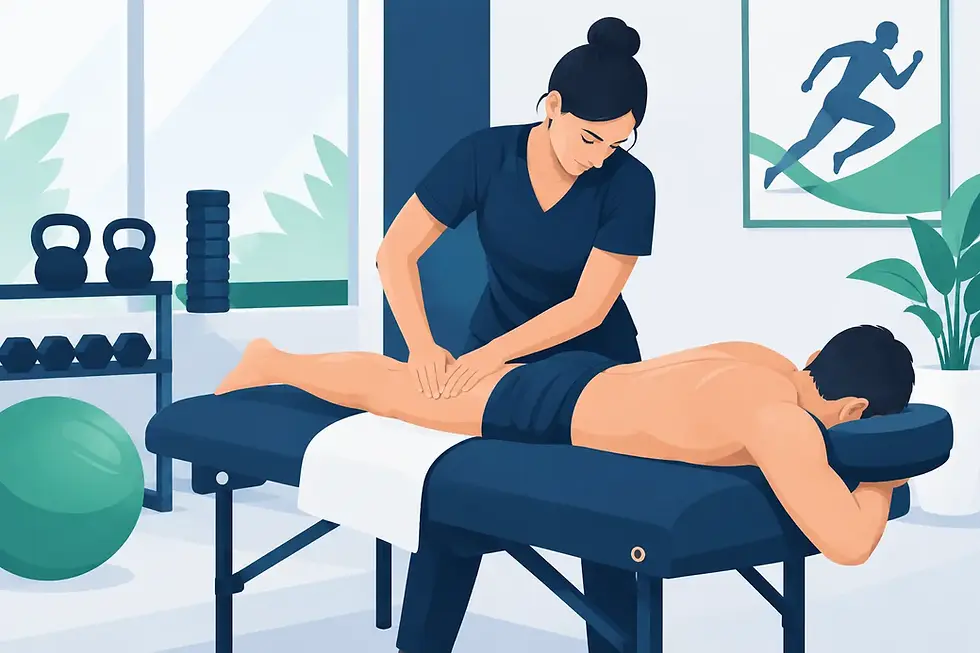
Massage, heat, and mobility work can make sore muscles feel more comfortable. They may help you relax, move more freely, and return to normal routines with less stiffness. What they do not do is replace sleep, nutrition, or intelligent programming.
At Legacy Barbell Club, members can build recovery into their training routine with a dedicated recovery space, sauna access, and in-house massage therapy. These options are most useful when they support the basics: use the sauna to unwind, schedule bodywork when tightness is affecting your movement, and keep the next training session appropriate for how you feel.
Be careful with overly aggressive foam rolling or stretching. Mild pressure and gentle mobility can feel good. Trying to force soreness out of a muscle with painful, prolonged work can leave you more irritated instead of more recovered.
Prevent Excessive Soreness in Your Next Training Block
The most effective way to reduce extreme soreness is to avoid huge jumps in workload. That does not mean avoiding hard work. It means earning your hard work through gradual progression.
If you are returning after time away, start with fewer sets than you think you can handle. If you are adding a new movement, introduce it with a conservative dose before making it a high-volume staple. A lifter who adds several new exercises, pushes every set to failure, and doubles their weekly volume may feel accomplished for a day, then struggle to train productively for the rest of the week.
Technique also matters. Controlled reps are valuable, but there is no prize for making every lowering phase painfully slow when you are new to an exercise. Learn the movement, use a load you can control, and progress over weeks rather than chasing exhaustion in one session.
A useful rule is to leave some reps in reserve on most working sets. You can still train with focus and intensity without taking every exercise to the point where your form breaks down. Serious lifters may choose to push certain sets harder, but that choice works best when it is deliberate and balanced with the rest of the program.
When Soreness Means You Should Pull Back
Some soreness is normal. Excessive soreness that repeatedly disrupts your training is feedback. It may mean your program has too much volume, too little recovery, too much novelty, or a mismatch between your current fitness level and your planned workload.
Pull back when soreness lasts longer than several days, keeps returning after similar sessions, or prevents normal movement. Reduce total sets, lower the load, shorten the range temporarily if appropriate, or swap to a variation that feels better. If you are unsure what to change, ask a qualified coach or trainer to look at your program and form.
The strongest training habits are rarely dramatic. Show up, do quality work, recover with intention, and make the next session possible. Your body does not need to be destroyed to become stronger - it needs a reason to adapt and enough support to do it.


Comments